Language isn’t just a tool of communication: it reflects the culture, community and ideas of the individuals that speak it. In the case of Mandarin, centuries of patriarchal history come together to form the words, proverbs and sayings that Mandarin speakers still use today. The language subtly but persistently enforces patriarchy through syntax and composition. It’s time to recognize these internal biases and remind each other to stop using these patriarchal terms.
Let’s start by examining the syntax and composition used in Chinese marriages. Men and women are not considered equals in their matrimony. When a man and woman get married, there are two distinct verbs to describe the act of marriage: The man marries “chu (娶)” his wife, whereas the woman gets married “jia (嫁)” to her husband. The word “chu (娶)” is made up of two radicals: 取 and 女, which mean “acquire” and “women.” So in marriage, a man literally acquires a woman like he would acquire property. On the other hand, “jia (嫁)” is made up of two radicals: 女 and 家, which mean “woman” and “family.” The combination of the words woman and family together implies that the woman’s real family is her new family through marriage, not her original family, giving her blood family less value in her life compared to the man’s. This word also represents the lack of agency for the woman as she is getting taken in as a wife, showing the passiveness in this situation. Instead of reinforcing these patriarchal values, we can say “they got married (他們結婚了),” which is a phrase that doesn’t limit any particular person in the marriage to use.
After marriage, an offspring would refer to their father’s parents as “yehyeh (爺爺)” and “nainai (奶奶),” which means grandfather. However, they would refer to their mother’s parents as “waigon (外公)” and “waipo (外婆),” or “outside grandfather” and “outside grandmother.” The usage of “外” implicitly diminishes the mother’s importance in shaping the family’s identity. This can make the maternal grandparents feel less connected to both the family and the grandchild’s life. This distinction shows that Chinese familial relationships do not hold paternal and maternal branches as equals; the true family comes from the male side of Chinese marriages. Many people now use alternatives for their maternal grandparents, such as “popo (婆婆)” and “gongon (公公)” instead of using the word “外.”
Further exploration of the Mandarin character compositions reveals surprising amounts of sexism going back thousands of years. An example of this is the word for slavery, “nu (奴),” with a combination of the radicals “女” for women and “又” for bound hands or the act of grabbing one’s hands. The idea of bound hands is important as it emphasizes women’s lack of control and power in society, being unable to act due to the restrictions. This can also be translated as “a woman under the control of another’s hands,” showing the ideology of subjugation being a woman’s natural state. Mandarin words describing humans typically use the radical “人,” but the word 奴 specifically uses the radical “女.” The active choice to portray a slave with the women’s radical emphasizes how enslavement is feminized. The word meaning slave also implies that Chinese culture views women as people with no power and freedom. Meaning if you are a woman, you are naturally a slave, not just in marriages, but in society as a whole.
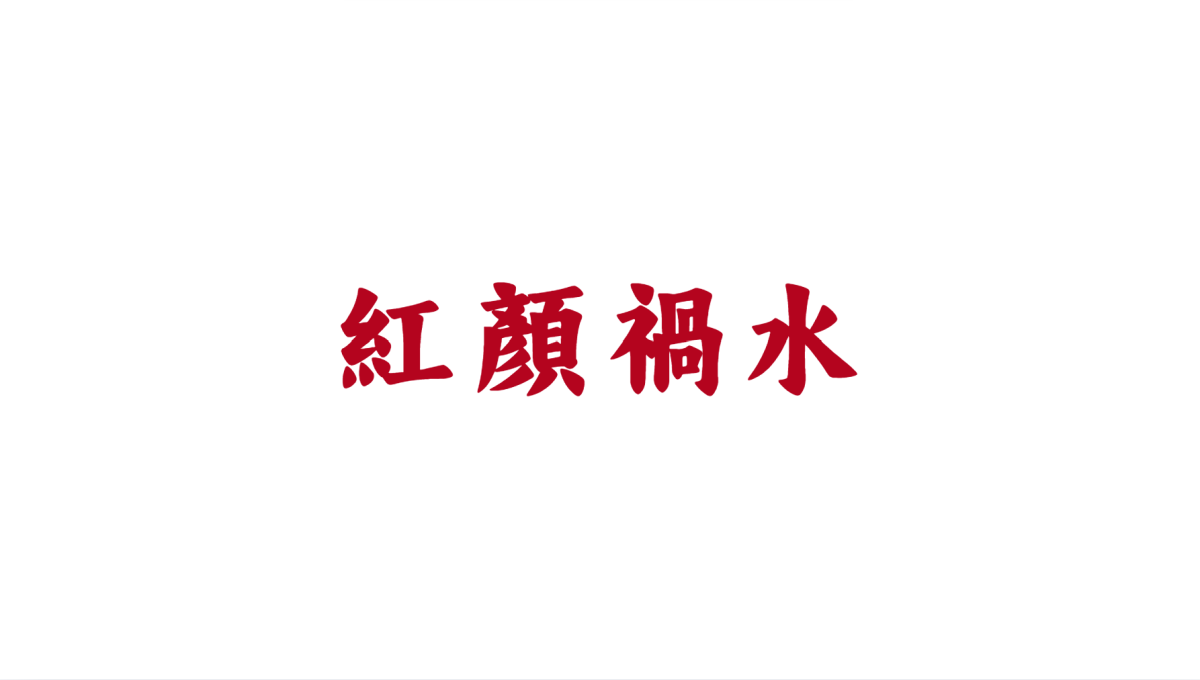
On top of sexist character compositions, Chinese also uses abundant proverbs and idioms about the vices of women. One classic example of a proverb is “beauty is a disaster (紅顏禍水),” a warning to emperors and other men in power on how beautiful women have toppled dynasties throughout Chinese history. Sages describe beautiful women as water that extinguishes the fires of empires, shifting the blame of imperial collapse from men in charge to their lovers. When men succeed, they take all the praise and honor, yet when they fail to succeed, they don’t take the blame. Why does this proverb automatically classify beautiful women as disastrous? What about handsome men? Why aren’t they disastrous as well? This is classifying beautiful women as bad luck and dangerous, giving them a label based on something out of their control.
While it’s not going to be easy to change the composition of Chinese characters themselves, alter their syntax, or update Confucius on the latest developments of gender politics, we need to be extra vigilant in reminding each other of the dangers of reinforcing these patriarchal ideas. Chinese culture brings much wisdom and philosophy, but we don’t need to adopt discriminatory thinking from millennia past. We should stop normalizing these outdated patriarchal expressions and start rejecting the sexist ideas that have persisted through time, using language that respects women and promotes equality.
![After finishing their application process, seniors are ready to reflect. [PHOTO COURTESY OF CLASS OF 2026]](https://blueandgoldonline.org/wp-content/uploads/2026/05/Copy-of-Copy-of-IMG_6059-1200x675.jpg)